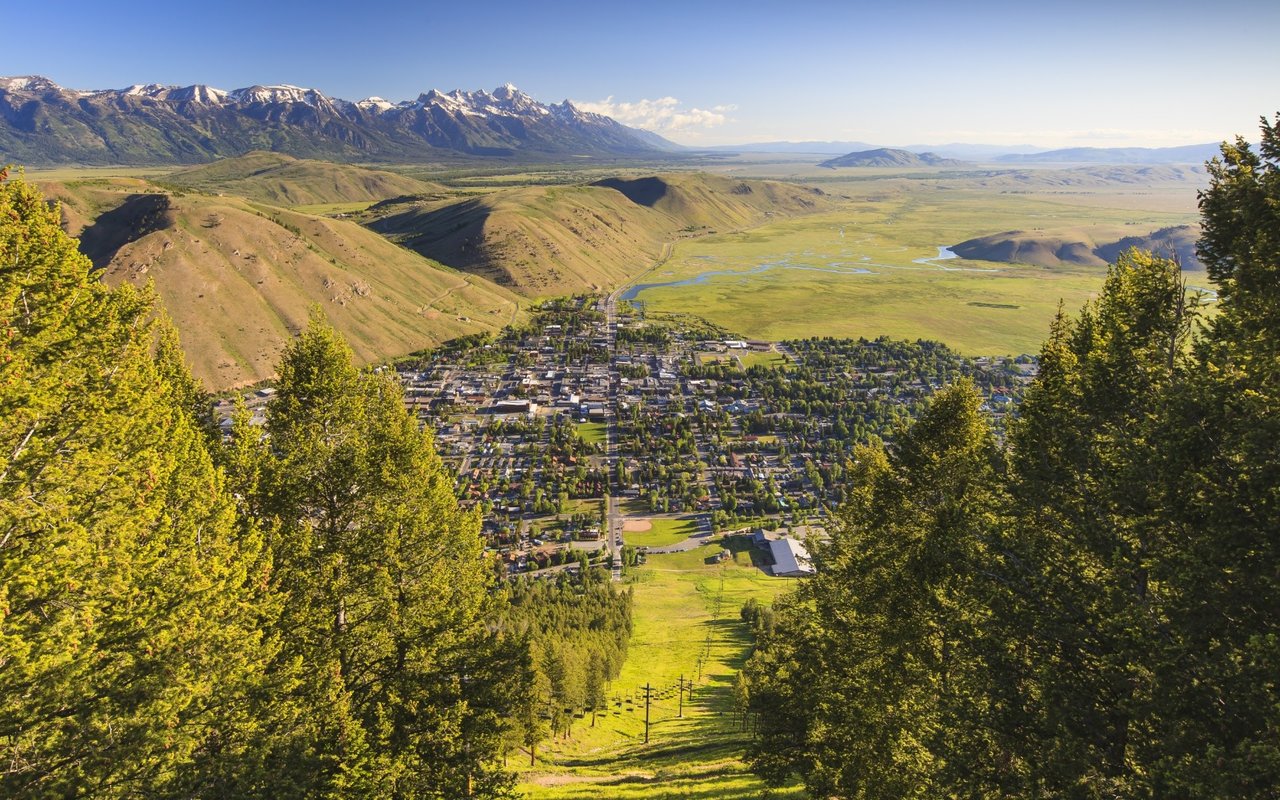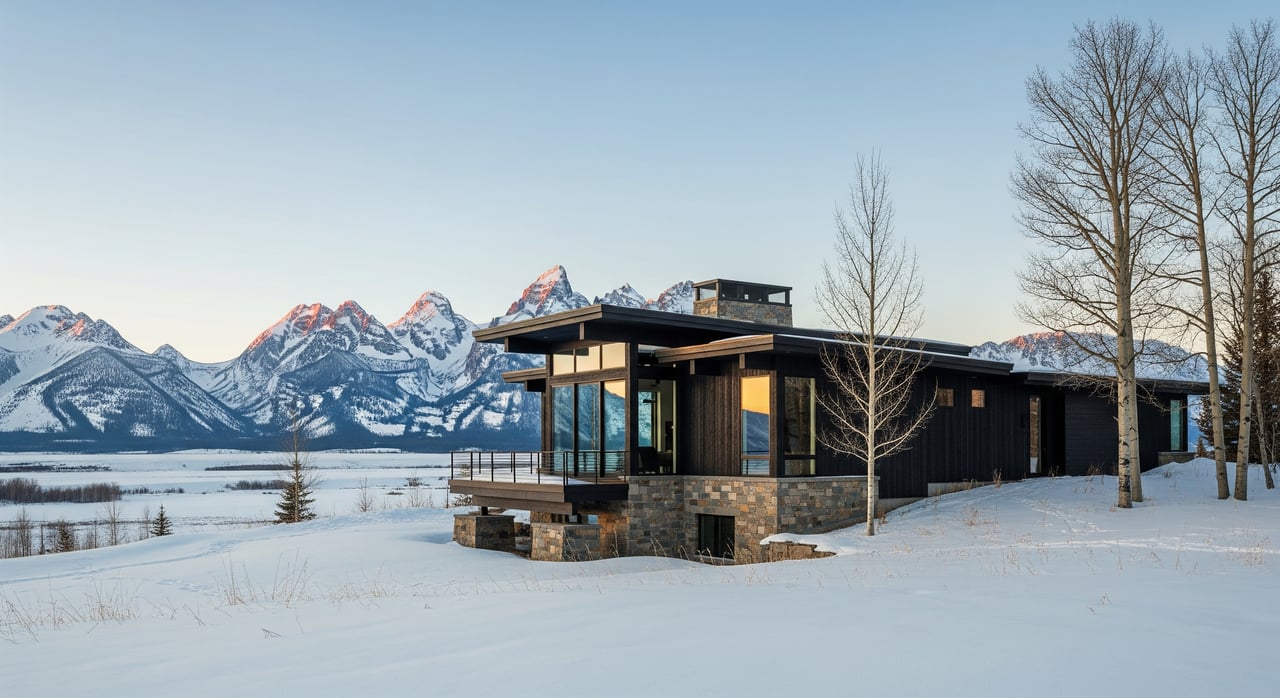
Winter can be magic in Hoback’s Middle Valley, but the low sun and deep snow also test a home’s comfort. If you are weighing a lot or planning a build, orientation and slope can make the difference between bright, warm interiors and icy mornings. You want mountain views without giving up winter sun or causing energy bills to spike. This guide shows you how to read a lot for sun, snow, and views, and how to balance trade-offs before you buy or build. Let’s dive in.
Middle Valley winter sun basics
In a mountain valley, terrain controls sunlight as much as the compass. South-facing slopes and benches catch more direct light in winter, while valley floors often sit in cold air and shade longer. Nearby ridges, tall conifers, and neighboring buildings can cast long shadows across driveways and living areas.
The sun rides low here in winter. At roughly 43.5 degrees north latitude, the sun’s midday height near the winter solstice is about 23 degrees. That means even south-facing sites see long shadows, and any ridge or tree line can block light for hours. For climate context, review the Jackson Hole area using the NOAA climate normals.
Orientation and slope: what matters
South, east, west, north
- South-facing: Best for winter solar gain, earlier snowmelt on roofs and drives, brighter interiors, and lower heating demand.
- East-facing: Helpful morning sun that thaws frost and ice sooner, but less total passive heat than true south.
- West-facing: Late-afternoon light that can add comfort on short winter days, with modest heating benefit.
- North-facing: Least direct winter sun, longer snow retention, and more de-icing, yet often cooler in summer and good for preserving tree cover.
Slope and microclimates
- A gentle to moderate south or southeast slope often outperforms a flat lot with the same compass bearing.
- Valley floors can trap cold air overnight, so expect colder mornings and persistent frost in low spots.
- Ridges get more consistent sun but more wind. Design windbreaks and detailing to limit heat loss.
Trees and terrain shadows
A south-facing lot shaded by a ridge or conifer stand can receive less sun than a slightly elevated knoll with a less favorable bearing. Walk the site at different times of day and look for shadows that sweep across likely building areas.
Views: plan for trade-offs
Your favorite view may not face south. A river corridor, ridge, or peak might sit to the north or west, where winter sun is limited. You can still frame that view and capture light with smart design.
Map your view corridors
Identify the exact directions of the features that matter to you. Use county maps to understand terrain, tree cover, and ridgelines around the parcel. The Teton County GIS is a good starting point for parcel data, slope, and nearby vegetation.
Balance view and light in design
- Place primary living areas toward the target view, then add south-facing clerestories, skylights, or a secondary south facade for passive gain.
- Consider stepped floor plans to preserve sightlines while opening roof planes to winter sun.
- Adjust window sizes and glazing types to prevent summer overheating while maximizing winter light.
Preserve views within the rules
Confirm any covenants, setbacks, height limits, and riparian rules that affect tree work and building height. Start with the Teton County Planning Department and any applicable HOA. Discuss plans early with neighbors if view or solar access is shared.
Your Hoback lot checklist
Do this before you visit
- Study parcel, slope, and vegetation layers in the Teton County GIS.
- Model sun paths on key winter dates with the SunCalc sun path tool.
- Review winter climate context with the NOAA climate normals.
- Note zoning, building height, setback, and riparian rules via the Teton County Planning Department.
What to check on site
- Visit on a clear winter day near solar noon, then again morning and late afternoon, to see daylong sun and shade.
- Record compass bearings to your priority views and photograph shadow lines from trees and terrain.
- Look for cold-air pooling signs such as persistent frost, fog, or glazed surfaces in low areas.
- Measure slope and aspect with a phone clinometer. Even a modest south tilt can boost solar gain.
Technical evaluations
- Solar PV feasibility: run a first-pass estimate with the NREL PVWatts calculator and plan a shading study.
- Passive-solar design: assess south glazing, thermal mass, and overhangs to avoid summer heat.
- Snow and access: plan where plowed snow will go and how equipment will reach the site in winter.
Bring the right pros
- Licensed surveyor for setbacks and elevations.
- Architect or site designer with mountain-winter experience.
- Arborist for tree health and selective canopy thinning.
- Solar installer for site-specific shading and layout.
- Energy rater or HVAC professional for heating loads and passive-solar benefits.
Design and maintenance tips
- Optimize orientation: prioritize south to southeast glazing for winter light, then frame views with tuned window placement.
- Detail for snow: place snow storage downhill from drives, and design roofs and valleys to shed without burying entries.
- Improve traction and melt: south-facing drives clear faster. Use surface finishes and heat-trace only where needed.
- Plan mechanicals carefully: right-sized heating, zoned controls, and air sealing reduce losses in windy spots.
- Site PV smartly: south to southwest arrays with steeper tilt often improve winter performance. Confirm with a shading analysis.
Regulatory and environmental notes
- Setbacks and height: verify county rules and any HOA standards before you rely on a specific view or sun angle.
- Riparian buffers: lots near the Hoback River or other water features may have extra limits on siting and tree work.
- Wildfire and defensible space: evaluate conifer density, ladder fuels, and access. Plan thoughtful mitigation.
- Wildlife and habitat: some parcels sit in corridors where lighting, fencing, or vegetation changes are regulated or discouraged.
- Easements and neighbor impacts: learn about view or conservation easements and coordinate early on tree work or height.
Choosing the right orientation
- If you value bright winter interiors and lower heating: target south to southeast exposure on a bench or gentle slope with minimal winter shading.
- If your dream view faces north or west: design living areas toward the view, then add south-facing clerestories or skylights and optimize insulation and glazing.
- If you want privacy in trees: assess shadow length from conifers and consider selective thinning with an arborist.
- If easy winter access matters most: favor sun-exposed approaches and plan generous, downhill snow storage zones.
A great Middle Valley site balances sun, snow, and scenery. Small shifts in building placement, window strategy, and tree management can turn a good lot into a year-round standout. If you want a second set of eyes or help coordinating pros, let’s talk about your priorities. Connect with David Yoder for a private consultation and a plan tailored to your Hoback property goals.
FAQs
What is the best lot orientation for winter sun in Hoback’s Middle Valley?
- South to southeast slopes usually deliver the strongest low-angle winter sun, but nearby ridges and trees can change actual solar access.
How can I evaluate winter sun on a Hoback lot before I visit?
- Combine the SunCalc sun path tool with the Teton County GIS and confirm climate context using NOAA climate normals.
Are valley-floor homes in Hoback colder than ridge sites in winter?
- Valley floors often trap cold air and see longer shade, while ridges get more sun but more wind, so design and siting matter.
Can I keep a north or west view and still gain winter solar heat?
- Yes, orient main windows to the view and use south-facing clerestories, skylights, or a secondary south facade to capture solar gain.
How steep should a slope be to improve winter solar gain?
- Gentle to moderate slopes, roughly 5 to 30 degrees facing south or southeast, often enhance winter sun without complicating access.
Where should solar panels face in Hoback for better winter output?
- Panels tilted steeper and oriented toward true south or slightly southwest often perform best, confirmed by a site-specific NREL PVWatts calculator study.