Building a custom home in South Valley can look simple from a distance: find a beautiful parcel, hire a great team, and start designing. In practice, the earliest decisions often shape everything that follows, from where the home sits on the land to whether your timeline works through winter. If you are planning from out of town or balancing a second-home search with a busy schedule, knowing what to verify first can save time, money, and frustration. Let’s dive in.
Start With the Parcel, Not the Floor Plan
In South Valley, lot selection is more than a lifestyle choice. It is a planning decision that can affect design, permitting, utilities, and build timing.
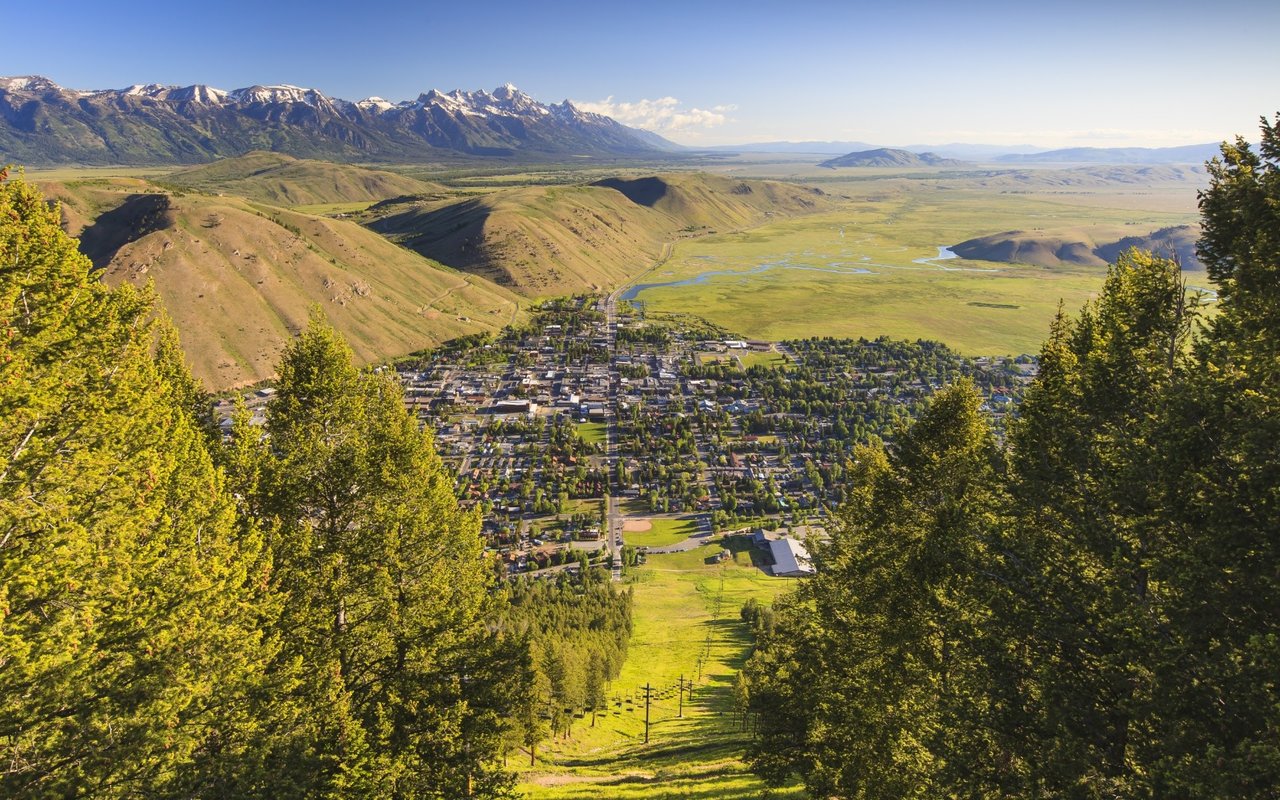
Teton County notes that South Highway 89 and South Park Loop are designated scenic areas. These corridors are valued for open meadows, broad mountain views, and the cottonwood-lined character tied to irrigation ditches and the valley landscape. If your home site is visible from a scenic corridor or critical viewpoint, the county may require a visual resource analysis with photo simulations, alternative site designs, and an explanation of how the project fits the setting.
That means the right parcel is not just the one with the best view. It is the one where your design goals, site constraints, and approval path work together.
Confirm Which Rules Apply
One of the first questions to answer is whether the parcel falls under Teton County or the Town of Jackson. The two jurisdictions have separate planning and building systems, and that distinction matters early.
It also helps to understand the difference between planning guidance and actual regulation. The Jackson and Teton County Comprehensive Plan helps guide long-range land use and site design, but the Land Development Regulations are what control development. If you are evaluating a South Valley parcel, your due diligence should focus on the actual rules, not just the broader vision documents.
Review Scenic Overlay Issues Early
Scenic rules can affect where you place the home, how large it appears, and how it relates to the landscape. In South Valley, that often becomes a front-end design issue rather than something you can solve late in the process.
If a parcel has exposure from South Highway 89 or South Park Loop, your architect and site team may need to think carefully about massing, rooflines, materials, and how the home sits within meadow, tree, and drainage patterns. This is one reason early coordination matters so much, especially for buyers who want a refined custom result without repeated redesign.
Why Siting Matters So Much
A home that is thoughtfully sited can protect views, improve winter light, and make practical room for driveways, snow storage, and service areas. County submittals also require site details such as grades, utilities, driveways, well and septic locations, wetlands, fencing, and exterior lighting.
In other words, the house and the land cannot be planned separately. The county expects them to be considered together.
Design for South Valley Conditions
South Valley building conditions are shaped by a true mountain climate. Teton County design criteria call for a 105 psf ground snow load, 105 mph wind speed, a minus 30 degree winter design temperature, a 34-inch frost depth, and Seismic Design Category D.
Those numbers influence more than engineering. They affect roof design, insulation strategy, structural systems, and how your home performs through the coldest parts of the year.
For custom buyers, this is where a beautiful concept needs to meet practical durability. A strong design team should account for climate demands from the beginning rather than treating them as later adjustments.
Plan for Wildfire Review and Fire Protection
As of January 1, 2025, all private land parcels in Teton County and the Town of Jackson are within the Wildland Urban Interface map and are subject to IWUIC review by Fire/EMS. That county-wide change makes fire review part of the planning picture for every private parcel.
The county also states that homes 5,000 square feet or larger must have automatic sprinklers, and some smaller new structures in the WUI may also require them. If you are planning a larger custom home, this should be discussed very early with your architect, builder, and permitting team.
Understand Water and Septic Before You Commit
Many South Valley properties rely on private systems. Teton County says many households use private wells or springs, and septic permits are reviewed separately.
Profile holes and percolation tests are often required, which means water and wastewater planning can affect both feasibility and schedule. New septic system installation is generally not allowed from November 15 through April 15, so timing matters if your project is moving into late fall or winter.
Why Utility Due Diligence Comes First
A parcel may look ideal on paper, but utility realities can change the picture. If the site needs a well and septic system, you want clarity on that path before your design team gets too far into concept work.
This is especially important for remote buyers who want confidence that the parcel supports the home they have in mind. Early answers reduce expensive surprises later.
Do Not Overlook HOA and CCR Approval
In South Valley, county approval may be only part of the process. Many parcels are also governed by CCRs and HOA design review.
Those rules can be more specific than county standards. In Melody Ranch, for example, the HOA requires written approval of plans, exterior material samples, and color selections before work begins, and it provides lot-specific design packets for builders and homeowners.
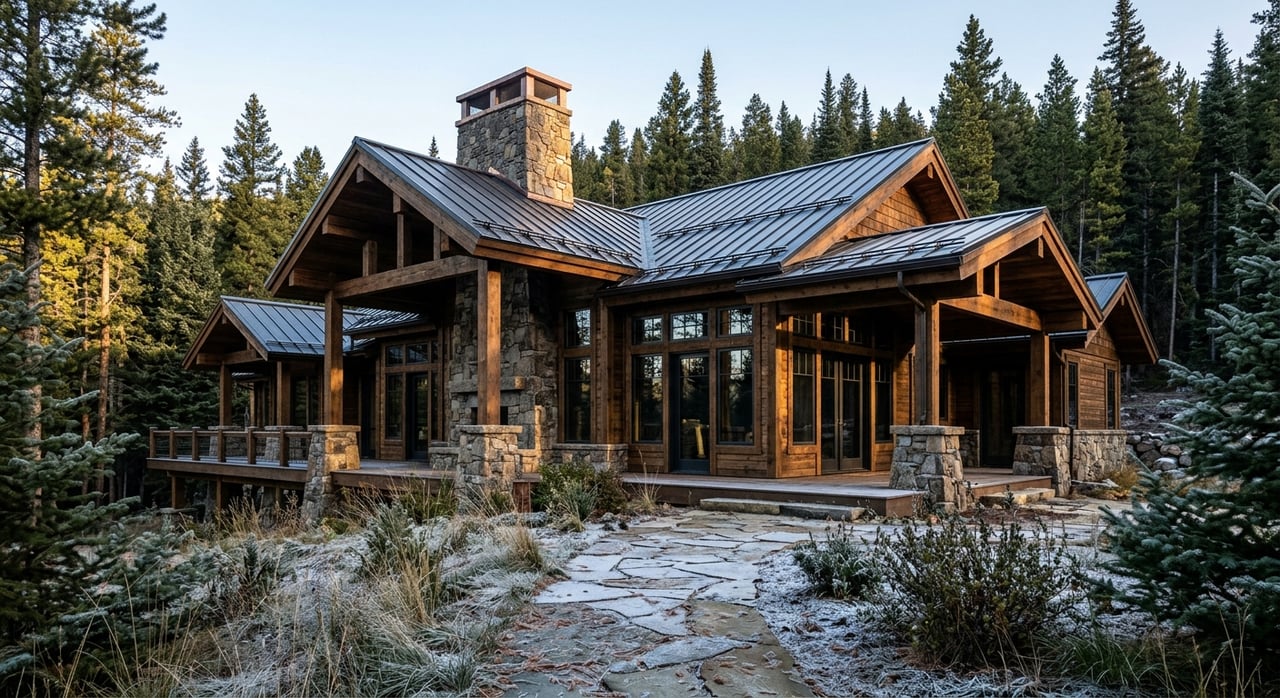
Local design guidelines often favor a ranch-oriented and mountain-appropriate approach. Common themes include low and informal forms, natural materials such as wood and stone, subdued earth-tone colors, nonreflective roofs, and modest roof pitches and heights.
That does not mean every home must look the same. It does mean your architecture, landscape plan, and siting strategy should align with private covenants as early as possible.
Expect a Detailed Permit Package
Teton County requires substantial information with a residential submittal. Depending on the parcel and project scope, your plans may need to show utilities, grades, driveways, snow storage, wetlands, lighting, well and septic locations, and more.
New driveways onto county roads or state highways require a county access permit. New residential construction is submitted through the online portal and still requires a scheduled submission week.
If a formal landscape plan is required, the county expects a Wyoming-registered landscape architect. Detached single-family homes are exempt from the formal landscape-plan submittal, but they still must comply with landscaping standards.
Know When Pre-Application Steps Apply
Some projects require additional early meetings or studies. A plan-level grading permit, or a building permit tied to that grading work, requires a pre-application conference with county staff.
As of May 1, 2025, a Natural Resource Assessment is required before any physical development permit or new use in the county, and high-tier projects begin with an Environmental Analysis. For custom-home planning, that means site due diligence now reaches beyond basic zoning questions.
Build Your Team Early
A smooth project usually starts with coordinated advice from the broker, architect, civil engineer, surveyor, and builder. In South Valley, that matters because county review often pulls together site, utility, and architectural information in one process.
For out-of-area buyers, this kind of coordination is often the difference between a clear path forward and months of avoidable delay. The earlier your team is aligned, the more confidently you can move from land search to design.
A Practical Sequence for a South Valley Build
If you want a simple planning roadmap, this is the typical sequence:
- Feasibility and due diligence: Confirm jurisdiction, CCRs, scenic overlay exposure, WUI implications, access, water and septic path, and any floodplain, wetland, slope, or grading issues.
- Concept design: Orient the home for views and winter light while making room for access, service areas, and snow storage.
- Pre-application and HOA review: Secure any needed HOA design approval and hold required county conferences early.
- Permit package: Submit architectural drawings, site plans, and any county, fire, septic, or access applications through the digital system.
- Construction and closeout: Keep permits active, schedule inspections through the portal, and plan for closeout requirements.
- Move-in planning: If your build stretches into winter, coordinate around the seasonal septic installation window and possible delays in final exterior work.
Winter Timing Can Affect Occupancy
South Valley projects often run into weather realities. If winter delays final grading or landscaping, Teton County says a certificate of occupancy may sometimes be issued with a surety agreement and financial assurance, subject to approval.
That can be helpful, but it is not a substitute for good sequencing. If your project timeline is tight, it is wise to think several steps ahead about underground work, exterior finishes, and site completion.
The Smartest Question to Ask First
Most buyers start by asking, "What can I build here?" In South Valley, the better first question is, "What do I need to confirm before I design?"
That shift in thinking helps you protect your time and your investment. Scenic overlay exposure, wildfire review, private utilities, county submittal requirements, and HOA design rules can all influence the final outcome long before construction begins.
If you are considering a South Valley lot or preparing to build, the right guidance can make the process far more efficient. A well-managed custom project starts with disciplined due diligence, local relationships, and a clear read on the parcel before the concept gets too far ahead of the facts.
If you would like a local perspective on South Valley parcels, design constraints, and the early questions worth answering before you commit, David Yoder can help you think through the process with the kind of personalized guidance that makes complex decisions feel much more manageable.
FAQs
What should you verify first when planning a custom home build in South Valley?
- Start by confirming the parcel’s jurisdiction, any HOA or CCR rules, scenic corridor exposure, wildfire review requirements, access, and whether the property will need a private well or septic system.
How do scenic corridor rules affect a South Valley custom home?
- If a home site is visible from a scenic corridor or critical viewpoint, Teton County may require a visual resource analysis with photo simulations, alternative site designs, and an explanation of how the project fits the surrounding landscape.
What climate standards affect custom home design in Teton County?
- Teton County design criteria include a 105 psf ground snow load, 105 mph wind speed, minus 30 degree winter design temperature, 34-inch frost depth, and Seismic Design Category D.
Do South Valley lots often need private well and septic planning?
- Yes. Many South Valley properties rely on private wells or springs, and septic permits are reviewed separately, often with profile holes and percolation testing required.
What wildfire review applies to new custom homes in Teton County?
- As of January 1, 2025, all private land parcels in Teton County and the Town of Jackson are within the Wildland Urban Interface map and are subject to IWUIC review by Fire/EMS.
Can HOA design rules be stricter than county rules for South Valley homes?
- Yes. HOA and CCR requirements can be more specific about plans, materials, colors, roof forms, fences, and other design details, so they should be reviewed early in the process.
How can winter affect a South Valley construction timeline?
- Winter can delay septic installation, final grading, and landscaping, and new septic system installation is generally not allowed from November 15 through April 15.