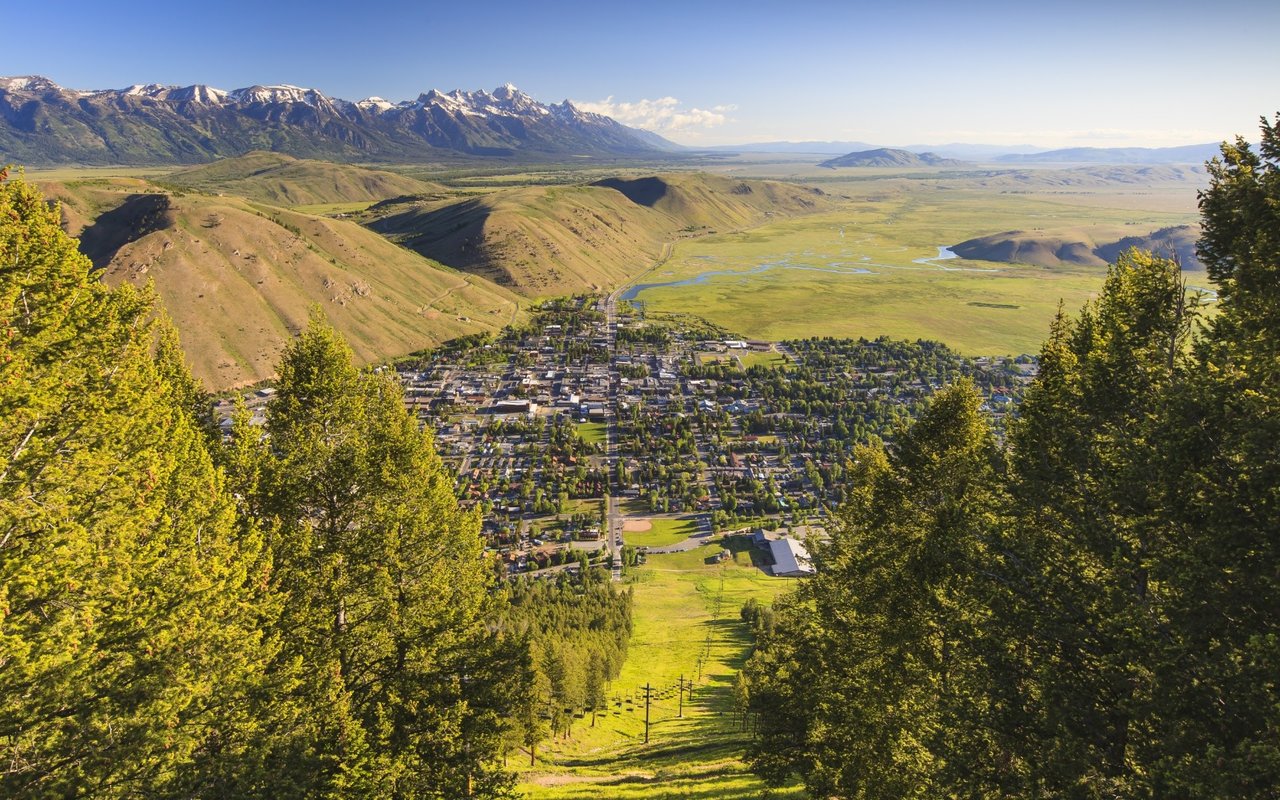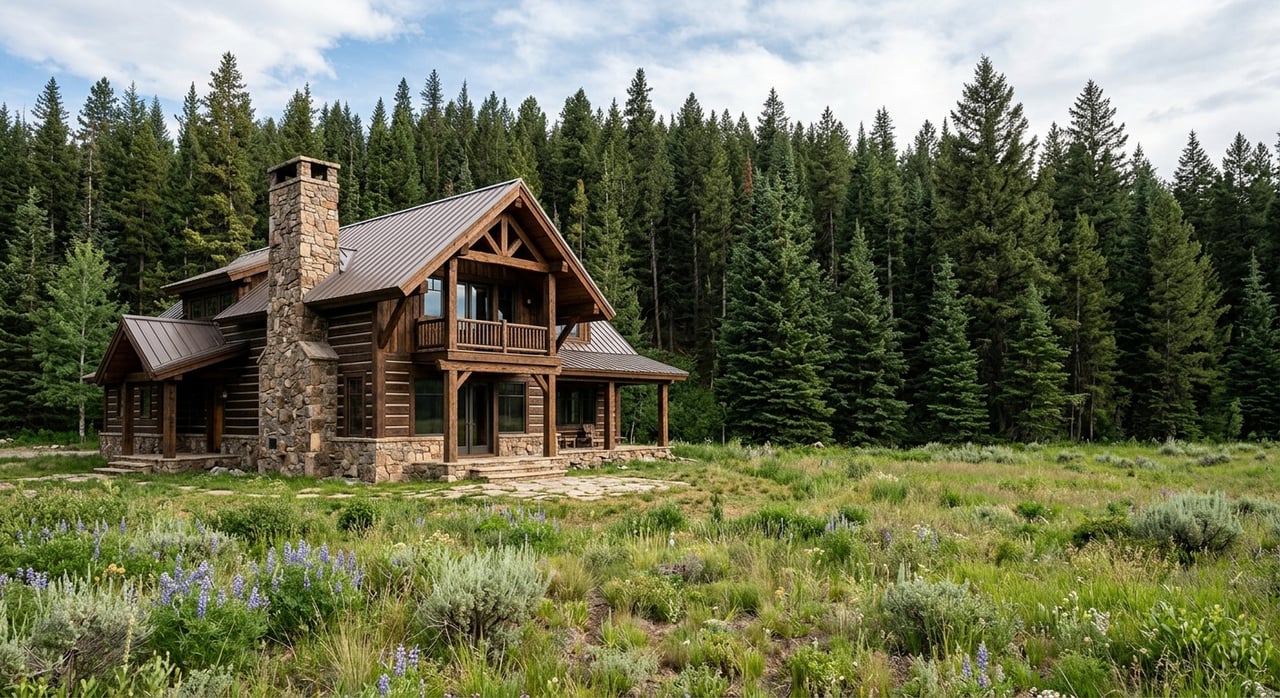
If you are weighing land versus an existing home in Middle Valley, the biggest question usually is not just price. It is how much time, flexibility, and uncertainty you want to take on in a market where both options can carry a significant cost. In this part of Teton County, the right choice often comes down to your timeline, your appetite for due diligence, and how closely you want the property to fit your long-term plans. Let’s dive in.
Middle Valley Costs Start High
In the broader Teton County market, both vacant land and finished homes sit at premium price points. Recent market data shows a median home sale price of about $2.3 million in Teton County, while land listings show a median asking price of about $3.25 million.
That pricing is important because it changes the decision. In many markets, buyers compare land and homes mainly on cost. In Middle Valley and surrounding Jackson Hole areas, you are more often comparing control versus convenience, and complexity versus speed.
Why Buyers Choose Land
Buying land gives you the most control over the final result. If a parcel is buildable, you can shape the home around your priorities, whether that means views, orientation, layout, or how the property supports future use.
For some buyers, that flexibility is the main appeal. Instead of adapting to someone else’s floor plan or finish choices, you can create something more tailored to how you want to live in Jackson Hole.
Land Requires More Due Diligence
In Teton County, a vacant parcel should be treated as a full due diligence project. The county’s Land Development Regulations can affect allowable uses, building heights, fire safety, parking, landscaping, signs, and other site-specific standards.
That means you should confirm more than whether the lot is attractive. You will want to verify zoning, setbacks, access, water rights, wastewater options, and whether there are floodplain or resource constraints tied to the parcel.
The county notes that a zoning compliance verification can help research a parcel. For water, the Wyoming State Engineer requires permits for the use of state water, including wells and springs.
Building Conditions Are Mountain Specific
Middle Valley buyers should also understand the local building environment. Teton County’s current design criteria list a 105-pound ground snow load, 105 mph wind speed, a 34-inch frost depth, and a winter design temperature of -30°F.
The county also states that all of Teton County is in the Wildland Urban Interface. In practical terms, that means site planning, design, materials, and fire-related considerations matter from the very beginning of the process.
Wastewater and Permits Can Add Complexity
If a parcel needs a small wastewater system, Teton County requires a small wastewater facility permit. The plans must be sealed, signed, and dated by a Wyoming-licensed professional engineer.
This is one reason raw land can bring more soft-cost risk than a finished home. Before construction begins, you may already be coordinating engineering, permitting, and other professional review.
Land Financing Often Needs More Cash
Financing for land is typically less flexible than financing for an existing home. Federal interagency guidance sets supervisory loan-to-value limits at 65% for raw land and 75% for land development.
While individual loan terms vary by lender, that framework helps explain why land purchases often require more cash up front. If you are considering Middle Valley land, it is wise to treat financing as a central part of the decision, not an afterthought.
Land Timelines Can Stretch
Timeline is one of the biggest tradeoffs with land. Nationally, single-family homes averaged 10.1 months from start to completion in 2023, and homes built for sale averaged 8.9 months.
In Teton County, permit review timing depends on the project, and state water-rights applications typically take about 3 to 6 months. The county also requires inspections at least every 180 days to keep a permit active.
Put together, that means the path from land purchase to move-in can take much longer than a typical resale closing. If you want a property ready for use in the near term, this is a major consideration.
Budget Beyond the Purchase Price
With land, the purchase price is only part of the total cost picture. Teton County charges a plan-review fee equal to 65% of the building permit fee, and additional charges may apply for basic use, grading and erosion control, wastewater, sewer connection, energy mitigation, and affordable housing.
National builder data also shows that finished lot cost accounted for 13.7% of a typical new-home sales price in 2024, while construction cost accounted for 64.4%. Even though every custom project is different, the takeaway is simple: the lot is only one line item in a much larger budget.
You May Not Be Able to Live on the Lot
Some buyers assume they can place an RV or camping trailer on the land while the home is under construction. In Teton County, a camping trailer or RV cannot be used as a residential living quarter except temporarily in connection with an active residential building permit.
That makes advance planning important. If temporary on-site living is part of your strategy, you will want to verify exactly what is allowed before you buy.
Why Buyers Choose an Existing Home
An existing home usually offers the fastest path to ownership and occupancy. You are buying a finished structure with established utilities instead of starting with zoning review, wastewater planning, water-rights work, permit review, and construction management.
For many Middle Valley buyers, that reduction in moving parts is the deciding factor. It can make the process feel more predictable, especially if you are buying from out of area or balancing a tight seasonal timeline.
Existing Homes Offer More Certainty
With a resale property, you can evaluate what already exists. You know the footprint, the layout, the finishes, and how the home sits on the lot.
That certainty has real value in a mountain market. Rather than building around unknowns, you are making a decision based on a tangible property that can typically be occupied much sooner.
Home Financing Is Often More Standardized
Financing for an existing home is often easier to underwrite than financing for raw land. The FDIC notes that some lenders require 20% down on a home purchase, but many conventional loans allow less than 20% down, sometimes as little as 3%, with private mortgage insurance commonly used below 20%.
That does not mean every buyer or property will fit a standard financing path. It does mean that existing homes often come with a broader set of familiar lending options than land purchases do.
The Tradeoff Is Less Flexibility
The downside of an existing home is that you may need to accept the property as it is. That can include the current floor plan, finish level, mechanical systems, and site orientation.
If you have a very specific vision, a resale home may feel like a compromise. In that case, the convenience of buying a completed property has to be weighed against the limits of what is already built.
Rental Rules Still Matter
If your plans include renting the property, you should review local rules early. In Teton County, most residential properties cannot be rented for fewer than 31 days, and accessory residential units have separate occupancy standards and a 90-day minimum rule.
Those rules can affect how a property fits your intended use. Whether you are considering land or an existing home, it is important to confirm that local regulations align with your plans.
Key Checks for Either Option
No matter which path you prefer, several local reviews are essential in Middle Valley. These are not minor details. In Teton County, they are part of the transaction itself.
Review These Items Early
- Confirm zoning and allowable use
- Verify setbacks and site-specific development standards
- Check access and utility path
- Review water rights and well or spring permit needs
- Confirm wastewater options and permit requirements
- Check floodplain layers by property address
- Understand wildfire exposure and Wildland Urban Interface considerations
- Review rental and accessory-use rules if those matter to your plans
Starting with these items can help you avoid expensive surprises later. It also gives you a clearer picture of whether a parcel or home truly matches your goals.
Which Option Fits You Best?
Land tends to fit buyers who want customization, can tolerate a longer timeline, and have the financial flexibility to absorb more uncertainty. Existing homes tend to fit buyers who value speed, clearer underwriting, and a more direct path to ownership.
Neither option is automatically better. In Middle Valley, the better choice is the one that matches your priorities, your timeline, and how hands-on you want to be with the process.
A thoughtful purchase here is often less about chasing the perfect listing and more about understanding the full path from contract to long-term enjoyment. If you want a clear, local read on which direction makes the most sense for your goals, David Yoder can help you evaluate the tradeoffs with the kind of personalized guidance this market deserves.
FAQs
What should you check before buying land in Middle Valley?
- You should confirm zoning, allowable use, setbacks, access, water rights, wastewater options, floodplain status, wildfire exposure, and any rental or accessory-use limits.
How is buying land in Teton County different from buying an existing home?
- Buying land usually involves more due diligence, more permitting and engineering work, more cash up front, and a longer timeline before you can move in.
What are the financing differences for Middle Valley land versus a home?
- Land financing is often stricter and may require more cash up front, while existing-home financing is usually more standardized and may allow a lower down payment depending on the loan.
How long can it take to build after buying land in Teton County?
- Timelines vary by project, but water-rights applications typically take about 3 to 6 months, and the full path from purchase to move-in can extend well beyond a resale closing timeline.
What local building factors matter for a Middle Valley property?
- Teton County design criteria include a 105-pound ground snow load, 105 mph wind speed, a 34-inch frost depth, a -30°F winter design temperature, and countywide Wildland Urban Interface conditions.
Can you use an RV on your Middle Valley lot while building?
- Teton County prohibits using a camping trailer or RV as a residential living quarter except temporarily in connection with an active residential building permit.