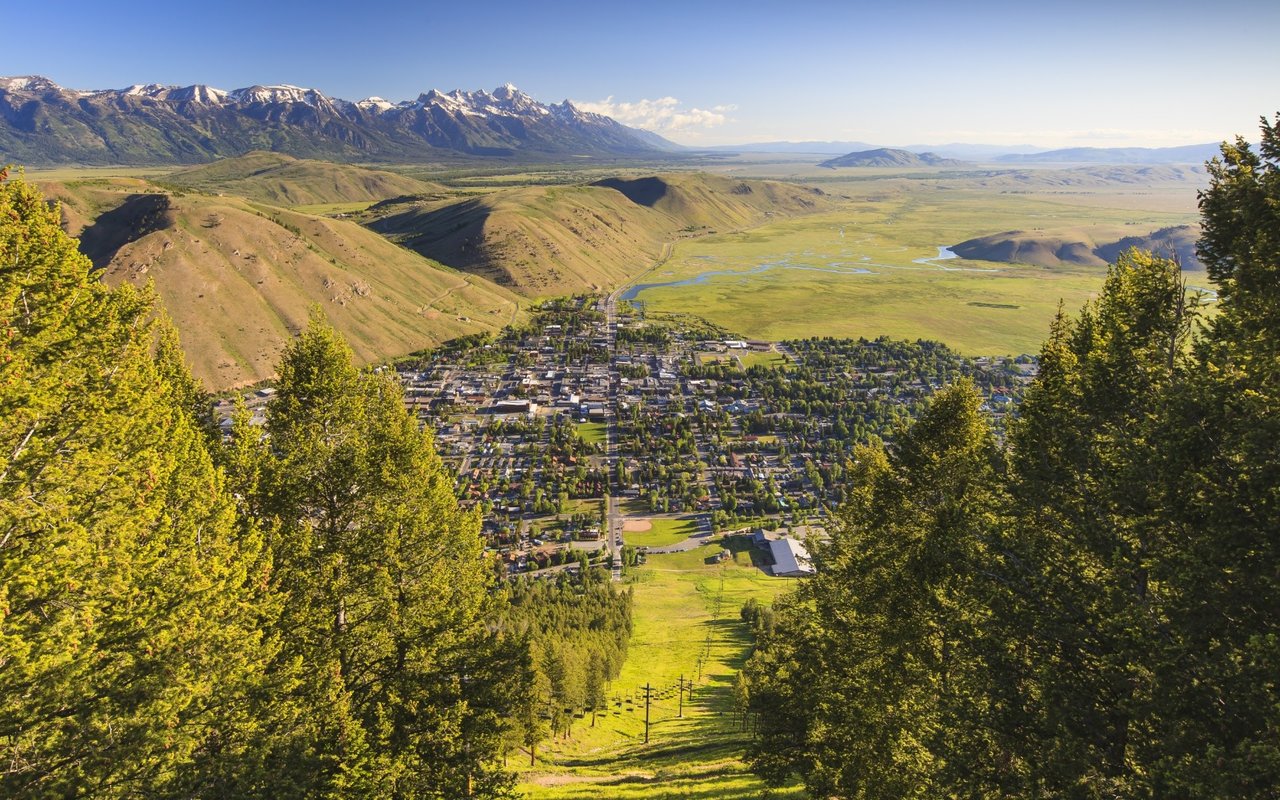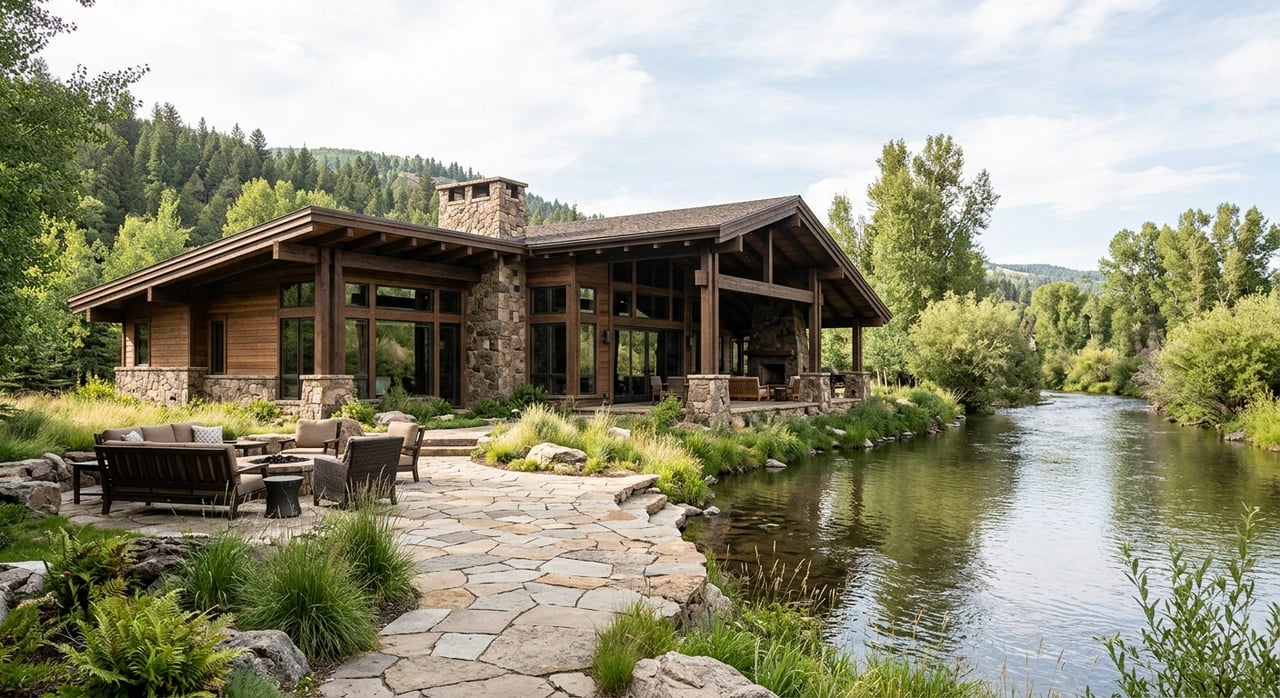
If you picture Jackson Hole as all ski lifts and town energy, South Valley may surprise you. This part of the valley is where many buyers start to feel the wider rhythm of open land, river corridors, and working-ranch character that defines the area in a deeper way. If you are looking for a place that feels connected to landscape first and convenience second, South Valley is worth a closer look. Let’s dive in.
What South Valley Means
In local real estate use, South Valley is best understood as the southern Jackson Hole corridor, generally stretching from the south edge of the Town of Jackson toward Hoback Junction. It is not an official municipality or county district, so the term works more as neighborhood shorthand than legal geography.
That distinction matters when you are searching for property. You are not buying into a formal town center as much as a stretch of valley defined by scenery, space, and a strong sense of rural identity.
Why the Setting Feels So Distinct
South Valley sits within the larger Jackson Hole valley floor, where sagebrush, open meadows, river corridors, and long mountain views shape everyday life. Grand Teton National Park describes the Teton Range as rising more than 7,000 feet above the valley floor, with the Snake River winding through the broader landscape.
Teton County planning documents place real emphasis on rural character, scenic vistas, open space, wildlife habitat, and western heritage. In practical terms, that means the appeal here is less about density or resort buzz and more about land, views, and breathing room.
River Life Shapes the Lifestyle
For many buyers, the Snake River is one of the biggest draws in the southern corridor. Teton County describes about 33 miles of the Snake River through Jackson Hole, from Moose to Hoback, and highlights boating, fishing, riverside recreation, and expansive views.
That river access is not just scenic background. It helps define how people spend warm-weather days, from floating and paddling to simply enjoying time near the water.
Recreation on the Snake River
Grand Teton National Park notes that non-motorized craft such as kayaks, canoes, and stand-up paddleboards can be used on the Snake River and several park lakes. The park also frames the river as a setting for scenic recreation and wildlife viewing.
If you are drawn to a lifestyle with more outdoor time built into your routine, South Valley offers strong alignment. The river is not a once-a-year attraction here. It is part of the area’s day-to-day identity.
Fishing as Part of Summer
Fishing is also central to the seasonal feel of the valley. The National Park Service describes fishing in Grand Teton as one of the park’s most popular activities, shaped by cool water, mountain views, and the possibility of a memorable day outdoors.
For buyers thinking about lifestyle fit, that matters. South Valley supports a version of Jackson Hole living where summer often means early mornings outside, time on the river, and a stronger connection to the landscape than to a crowded calendar.
Ranch Character Runs Deep
South Valley’s appeal is not only about water. It is also about the valley’s ranch tradition and the visual identity that comes with it.
Teton County’s comprehensive plan uses especially clear language here, describing ranchlands as a powerful part of the county’s image. Grazing cattle and horses, haystacks, weathered barns, grassy meadows, and western ranching heritage are presented as central to community character.
That planning language helps explain why South Valley feels the way it does. Even when properties vary in size, finish, or setting, the broader environment often carries a ranch-country atmosphere that many buyers specifically want.
Why Horse Properties Make Sense Here
County planning also supports equestrian access in a direct way. The Jackson Hole Community Pathways master plan includes trails and access points intended to connect horse-friendly parts of the county with public land and key equestrian destinations.
Nearby trail options reinforce that point. For example, Bridger-Teton National Forest includes routes such as the History Trail that are open to both hikers and equestrians.
Taken together, those public documents support a simple conclusion: South Valley fits buyers who are looking for a horse-friendly environment. The landscape, planning priorities, and access patterns all point in that direction.
What Daily Life Feels Like
One of the biggest reasons buyers gravitate to South Valley is the pace. This is the part of Jackson Hole where the landscape often feels like the main event, and daily life can revolve around weather, light, and season more than a packed social schedule.
That does not mean isolated. It means your experience is more likely to include open views, a quieter visual environment, and a stronger sense of separation from busier pockets of the market.
A Rural Feel, Not a Dense Resort Feel
Teton County’s own planning framework emphasizes open space, scenic vistas, wildlife habitat, and western heritage. That supports what many buyers already sense when they drive the area: South Valley reads as rural first.
If you are comparing different parts of Jackson Hole, this can be an important distinction. Some buyers want immediate proximity to village or town activity, while others want a setting that feels rooted in the valley’s working-land history.
The Four-Season Rhythm
South Valley is not a one-season story. The lifestyle changes meaningfully throughout the year, and that seasonal rhythm is part of the appeal.
Climate data from Jackson shows a mean annual temperature of 38.0°F, an average January high of 26.1°F, an average July high of 79.1°F, and 78.2 inches of annual snowfall. Those numbers help explain why the area feels distinctly four-season, with a real winter and a relatively short summer window.
Summer and Shoulder Seasons
Warmer months tend to highlight river floats, fishing, meadow views, and long evenings outside. Grand Teton National Park also notes that summer is brief, with wildflowers in the meadows and a strong sense of seasonal release.
The shoulder seasons often bring a different kind of appeal. Open views, changing light, and access to trails can make spring and fall especially rewarding for buyers who value space and scenery over peak-season activity.
Winter in South Valley
Winter is a real presence here. Grand Teton National Park describes Jackson Hole winters as long, snowy, and bitterly cold, with snow often blanketing the landscape from early November into May.
That kind of winter shapes expectations in useful ways. If you are considering South Valley, you are buying into a place with strong seasonal contrast, quieter winter evenings, and a landscape that can feel dramatic and serene at the same time.
What Buyers Should Consider
South Valley often appeals to buyers who want more than a home. They want a setting that supports a specific way of living in Jackson Hole.
Here are a few questions worth asking as you compare properties in the area:
- Do you want river access and warm-season recreation to be part of your routine?
- Are open space, long views, and ranch character important to you?
- Would an equestrian-friendly setting improve your lifestyle fit?
- Do you prefer a rural valley feel over a denser resort environment?
- Are you comfortable with a true four-season climate, including long winters and substantial snowfall?
The right property here is often about alignment, not just features. Land, setting, access, and year-round feel can matter as much as square footage or finish level.
Why South Valley Appeals to Lifestyle Buyers
For many buyers, South Valley represents a more grounded side of Jackson Hole. The river corridor, ranch backdrop, mountain views, and seasonal pace create a lifestyle that feels both scenic and lived-in.
That is especially meaningful if you are buying from out of area or searching for a second home with a strong sense of place. South Valley offers a version of Jackson Hole where the landscape is not just something you look at. It shapes how you live.
If you are exploring South Valley and want a clear, locally informed perspective on how specific properties align with your goals, David Yoder offers a highly personalized approach built around neighborhood insight, responsive guidance, and thoughtful transaction management.
FAQs
What is South Valley in Jackson Hole?
- South Valley is a local real estate term for the southern Jackson Hole corridor, generally from the south edge of Jackson toward Hoback Junction, rather than an official government district.
How important is the Snake River to the South Valley lifestyle?
- The Snake River is a major part of the area’s identity, supporting boating, fishing, riverside recreation, scenic views, and warm-season outdoor time.
Is South Valley in Teton County horse-friendly?
- Yes. County planning supports equestrian trail access, and nearby public lands include trails that are open to equestrians as well as hikers.
Does South Valley feel rural or resort-oriented?
- South Valley generally feels more rural than resort-oriented, with county planning emphasizing ranchlands, open space, scenic vistas, and western heritage.
What is winter like in South Valley, Wyoming?
- Winter is long, cold, and snowy, with strong seasonal contrast and snowfall that helps define the area’s four-season lifestyle.
Why do buyers look at South Valley homes and land?
- Buyers often look at South Valley for river access, open views, ranch character, equestrian fit, and a quieter lifestyle tied closely to the landscape.