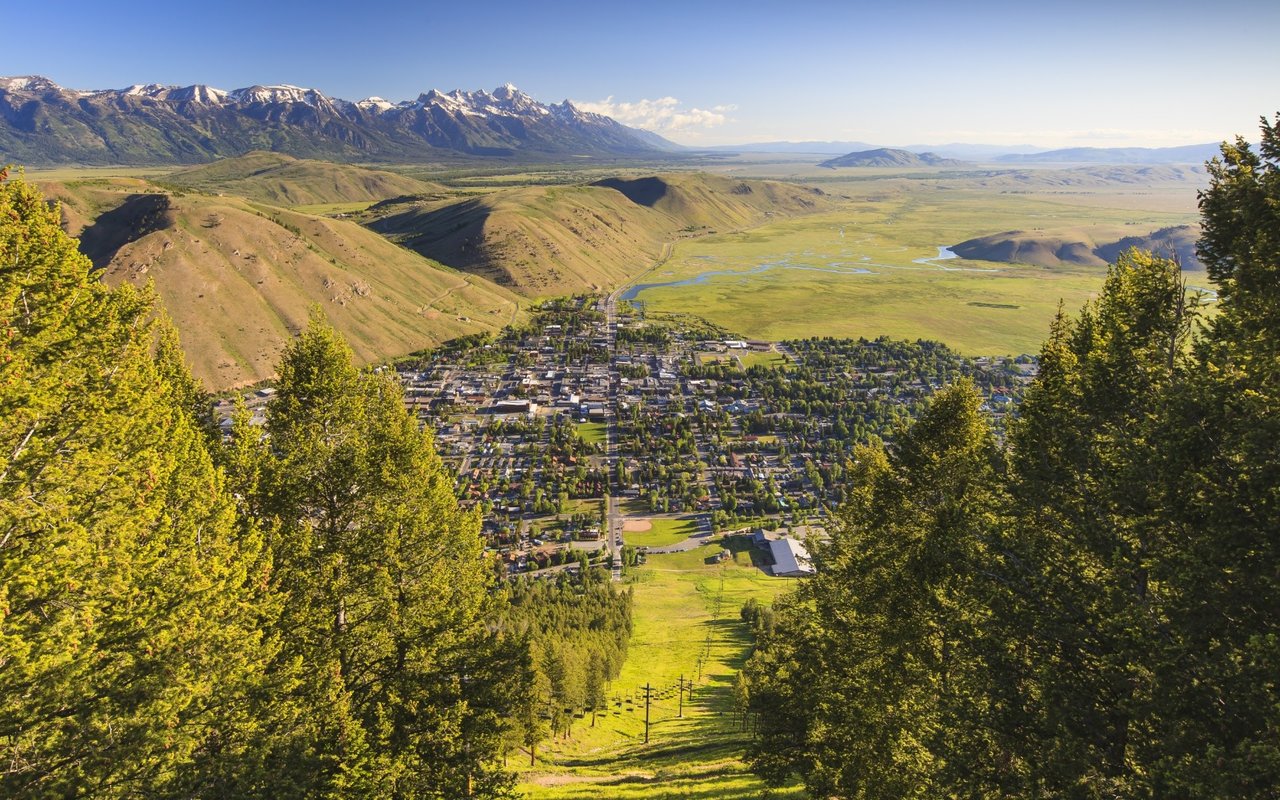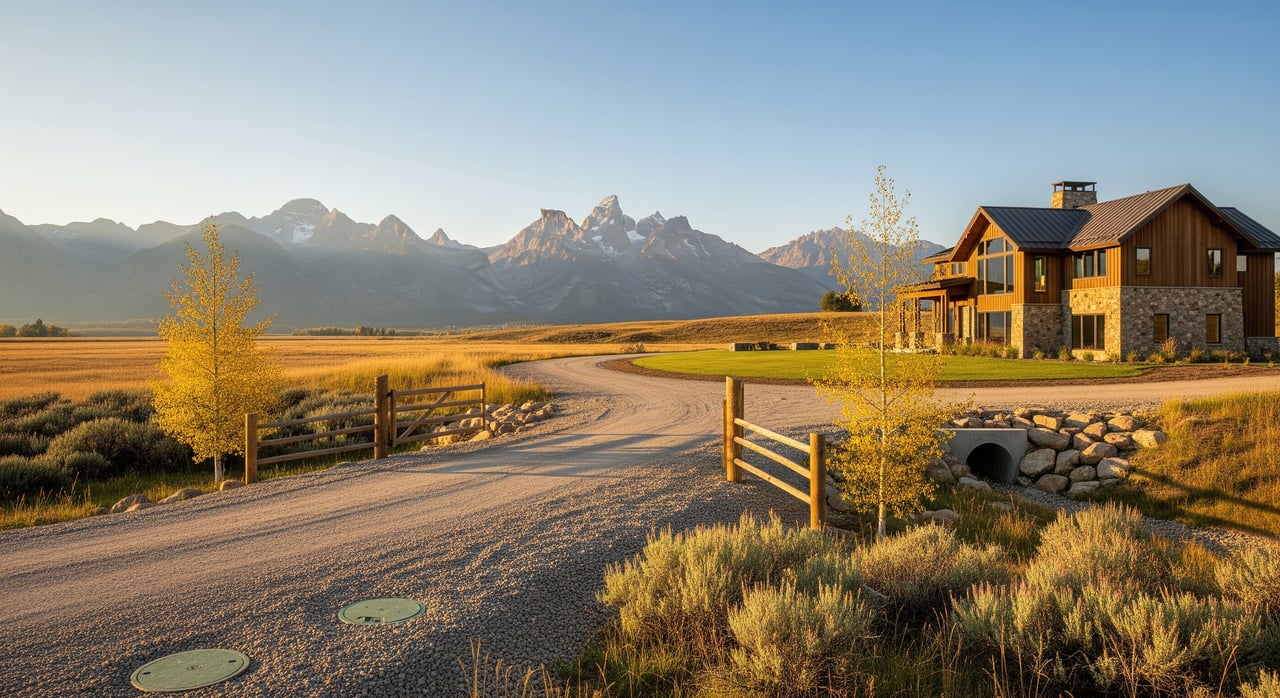
You can fall in love with South Valley’s wide-open views fast. The challenge comes later, when CCRs, access, and utilities decide what you can build, how you reach it in winter, and what it costs to live there. If you are eyeing acreage in 83001, a few early checks can save you time, money, and stress. This guide shows you exactly what to verify and who to call so you can move forward with confidence. Let’s dive in.
Why CCRs matter on acreage
CCRs are private rules recorded against the land. They can shape building size, materials, setbacks, road standards, animals, rentals, landscaping, and even where wells and septic can go. In South Valley, CCRs often preserve views and wildlife movement while setting maintenance expectations for private roads.
If you skip this step, you risk design surprises, unexpected assessments, or financing hurdles. Read the full CCR packet early and match it to your goals for the property.
Where to find CCRs and plats
Start with the title commitment and recorded documents. The county keeps deeds, plats, easements, and subdivision covenants on file. You can review records or confirm where to obtain them through the Teton County Clerk. Your title company will list recorded CCRs and easements and can summarize encumbrances before closing.
What CCRs often regulate in South Valley
- Road and driveway standards, plus cost sharing for private road maintenance
- Architectural review for height, exterior finishes, setbacks, and site disturbance
- Rental or occupancy limitations that affect short-term or long-term use
- Fencing, livestock, and wildlife-friendly practices
- Septic and well placement standards to protect resources and neighbors
- Procedures for assessments, liens, and enforcement
Red flags to watch for
- Vague maintenance standards for private roads without a funding plan
- Broad authority for a board to levy large assessments without owner consent
- Automatic lien or foreclosure provisions tied to unpaid dues
- Restrictions that could deter financing or a future sale
- Easy-to-change amendment thresholds or looming expiration dates
Smart due diligence on CCRs
- Get the full CCR packet with all amendments from the seller and county records
- Request recent HOA meeting minutes, budgets, and assessment history
- Ask the title officer to confirm recorded violations, liens, or pending changes
- Compare CCRs to current county land-use rules and note any conflicts
- Consult a local real estate attorney for interpretation or enforcement questions
Access shapes daily life and financing
Access is about more than a driveway. You need to know if the parcel fronts a public road, sits on a private road, or relies on an easement. Lenders, insurers, and emergency services care about this. So will you during a big snow year.
Public, private, or easement access
- Public road frontage is maintained by the county or the Town of Jackson. Confirm year-round maintenance and any seasonal limits.
- Private roads are maintained by owners or an association. CCRs or a recorded road agreement should explain cost sharing, standards, and liens for unpaid dues.
- Easement access must be recorded and specific about width, permitted uses, and maintenance. Survey and title documents should match the route on the ground.
Winter access and emergency response
South Valley winters are real. If a road is steep or shaded, it may be impassable without frequent plowing and sanding. Private roads may not have professional snow removal. Ensure the route accommodates emergency vehicles and confirm that the parcel address can be registered with county dispatch. In some areas, seasonal hazards and WUI requirements can influence access and driveway design.
Permits and environmental constraints
New driveways and road connections often need permits for slope, sight distance, culverts, drainage, and erosion control. Environmental factors such as wetlands, riparian buffers, and wildlife corridors can limit where you can build or improve access. For standards and applications, consult the Teton County Planning & Building Department.
How to verify access ahead of closing
- Compare the recorded plat and title commitment to the physical route
- Review road maintenance agreements and HOA documents for budgets and reserves
- Ask about bridges or culverts on the route and their replacement history
- Confirm winter maintenance responsibilities and any weight or seasonal restrictions
- Contact Teton County Public Works or Road & Bridge through the county website to verify public status and winter services
Utilities determine buildability and costs
Most acreage parcels outside Jackson limits do not have municipal water or sewer. Your project plan and financing can hinge on wells, septic feasibility, power extension, heating fuel, and broadband options.
Water and well rights
Private domestic wells are common. Drilling requires permits and compliance with Wyoming water rights. Availability depends on local hydrogeology, depth, and yield. Start by reviewing nearby well logs and contacting the Wyoming State Engineer’s Office for permit guidance and water rights questions. Always test water quality for bacteria, nitrates, and local contaminants before closing and occupancy.
Septic feasibility and permits
On-site wastewater systems are the norm in rural South Valley. Approval depends on soils, slopes, setbacks from wells and streams, and room for a reserve drainfield. Conventional gravity systems work in suitable soils. Engineered or mound systems may be required where soils are shallow or groundwater is high. For site evaluations, design standards, and inspections, work with the Teton County Environmental Health.
Electricity, gas, and heating fuel
Rural areas are typically served by regional electric utilities or cooperatives. Extending service can require new poles, trenching, and transformer installation, which adds cost and time. Natural gas mains may not be available. Many owners use propane with private vendor delivery. If renewable energy is part of your plan, confirm interconnection rules and check CCRs for any restrictions.
Internet and telecom reality
Broadband varies by corridor and line of sight. Options can include fixed wireless and satellite. Fiber may exist in limited areas but is not universal. If you work remotely, verify measured upload and download speeds from providers and neighbors. Consider redundancy if your work depends on stable connectivity.
Cost and timeline planning
Well drilling, septic engineering, and power extensions can take weeks to months, especially with seasonal construction windows. Engineered septic systems cost more than conventional systems. Utility extension costs can range from modest to significant depending on distance and terrain. Ask providers for written estimates early so you can budget accurately.
Buyer checklist for South Valley acreage
- Order a preliminary title report and recorded plat showing CCRs, easements, and liens.
- Obtain the full CCR packet with amendments and HOA bylaws. Review budgets and meeting minutes.
- Confirm legal access type and review any road maintenance agreements and cost-sharing formulas.
- Hire a surveyor if access or easement boundaries are unclear.
- Call Teton County Planning & Building to confirm setbacks, overlays, driveway permits, and WUI requirements.
- Contact the State Engineer’s Office about well permits and water rights for the parcel.
- Speak with local electric utilities and propane vendors about service availability and extension costs.
- Check internet options with local ISPs and ask neighbors to confirm real-world speeds.
- Arrange soil and site evaluations for septic feasibility and consult a driller or hydrogeologist on water.
- Review all findings with your title company and a local real estate attorney to assess risk and financing impacts.
Sellers: prepare your parcel for the market
Buyers of acreage move quickly when documentation is clear. You can increase certainty and shorten timelines by preparing a clean due diligence file.
- Provide the full CCR packet with amendments, plus any HOA budgets and recent minutes
- Share road maintenance agreements and a summary of routine costs and past assessments
- Include well logs, water quality tests, and any shared system agreements
- Provide septic permits, system age, recent inspections, and as-built drawings if available
- Disclose any recorded easements and show them on a recent survey or plat
- Outline known utility details, including electric service status and internet options
Work with a local advisor
Acreage in 83001 rewards careful planning. The right advisor will help you assemble the documents, coordinate county conversations, and line up specialists so you can build and enjoy with fewer surprises. If you want a hands-on partner who can manage details and communicate clearly, let’s talk about your goals in South Valley. Request a private consultation with David Yoder.
FAQs
What are CCRs on South Valley acreage and why do they matter?
- CCRs are recorded rules that can control building design, road costs, rentals, and site use. Review the full packet and amendments early to avoid surprises.
How do I confirm year-round access to a parcel in 83001?
- Compare recorded plats and easements to the road on the ground, review maintenance agreements, and ask the county about public status and winter services.
Can I build before utilities are in place on a rural lot?
- Plan permitting and installation in sequence. Wells, septic, and power often drive timelines. Coordinate early with county departments and utility providers.
How do wells and water rights work in Teton County, WY?
- Most rural parcels use private wells that need permits and compliance with water rights. Start with the Wyoming State Engineer’s Office for guidance.
What affects septic approval for a South Valley homesite?
- Soil type, slopes, setbacks from wells and waterways, and space for a reserve field determine system type and approval through county Environmental Health.
Can CCRs be changed or removed in a subdivision near Jackson?
- Changes usually require the owner vote specified in the CCRs. Some include expiration dates. Consult an attorney to understand procedures and feasibility.