By David Yoder
When you step into a home, one of the first things you notice—even if only subconsciously—is the color palette. The shades on your walls set the tone for every room, shaping how you feel, how you relax, and even how you entertain.
In Jackson Hole, the right paint colors can bring the stunning natural landscape indoors or provide a perfect backdrop for your personal style. That said, choosing the right paint tones involves more than picking out swatches at the hardware store. It’s about understanding how color affects mood, perception, and function.
Whether you’re looking to refresh a single room or revamp your entire home, unlocking the science of color can help you create a space that feels perfectly “you.”
Key Takeaways
- Understanding color theory can help you make informed decisions about paint tones in your Jackson Hole home.
- The unique light and surroundings of the region influence how colors appear in your space.
- Each room in your home can benefit from a tailored approach to color based on its purpose and the tone you want to set.
- Neutrals, bold hues, and earth-inspired palettes each offer distinct benefits for Jackson Hole interiors.
- Testing paint samples and considering finishes is essential before making your final choice.
Why Color Matters in Your Home
Color is more than just a visual experience; it’s an emotional one. Scientists and designers alike recognize that the shades surrounding you can affect everything from your energy levels to your sense of tranquility. In Jackson Hole, where the beauty of the outdoors finds its way into interior design, selecting paint tones becomes a powerful tool for setting the right atmosphere.
The connection between color and mood is well-documented. Cool tones like blue and green promote calmness and concentration, making them popular for bedrooms and studies. Warm shades, such as reds, oranges, and yellows, are associated with energy and creativity, often finding their place in living rooms or kitchens. By understanding these basic principles, you can begin to tailor each room in your home for its intended function.
Another important aspect is how color can manipulate perception. Lighter shades can make a small room feel more spacious, while darker hues add intimacy or drama to larger areas. The interplay of light, shadow, and color in Jackson Hole’s distinct mountain light creates endless possibilities for customizing your space.
Why Color Impacts Your Home
- Colors influence how you feel when you enter a room.
- The right palette can make your home feel more inviting and personalized.
- Shades can be used strategically to highlight architecture or camouflage imperfections.
- Colors help establish the functionality and flow between rooms.
- The natural light and landscape of Jackson Hole affect how paint colors appear indoors.
The Basics of Color Theory
A basic understanding of color theory can simplify your choices and lead to more harmonious results. At its core, color theory revolves around the color wheel, which is made up of primary, secondary, and tertiary colors. Knowing how these hues relate to each other can help you build a cohesive palette.
The primary colors—red, blue, and yellow—form the foundation. When you mix these, you get secondary colors (green, orange, and purple). Tertiary colors are made by blending primary and secondary shades. These relationships help create classic combinations, such as complementary (opposite on the wheel), analogous (side by side), and triadic (evenly spaced).
Undertones are another critical concept, especially when choosing paint. Even neutral shades like white or gray can have warm or cool undertones. These subtle shifts can make a significant difference, particularly in the unique lighting found in Jackson Hole.
Essentials of Color Theory
- The color wheel guides harmonious pairings for your interiors.
- Primary, secondary, and tertiary colors create countless options for layering shades.
- Complementary and analogous schemes offer balance or gentle transitions between rooms.
- Undertones determine whether a color feels warm or cool in your space.
- Experimenting with color relationships can help unify your home’s design.
How Jackson Hole’s Light and Landscape Affect Color
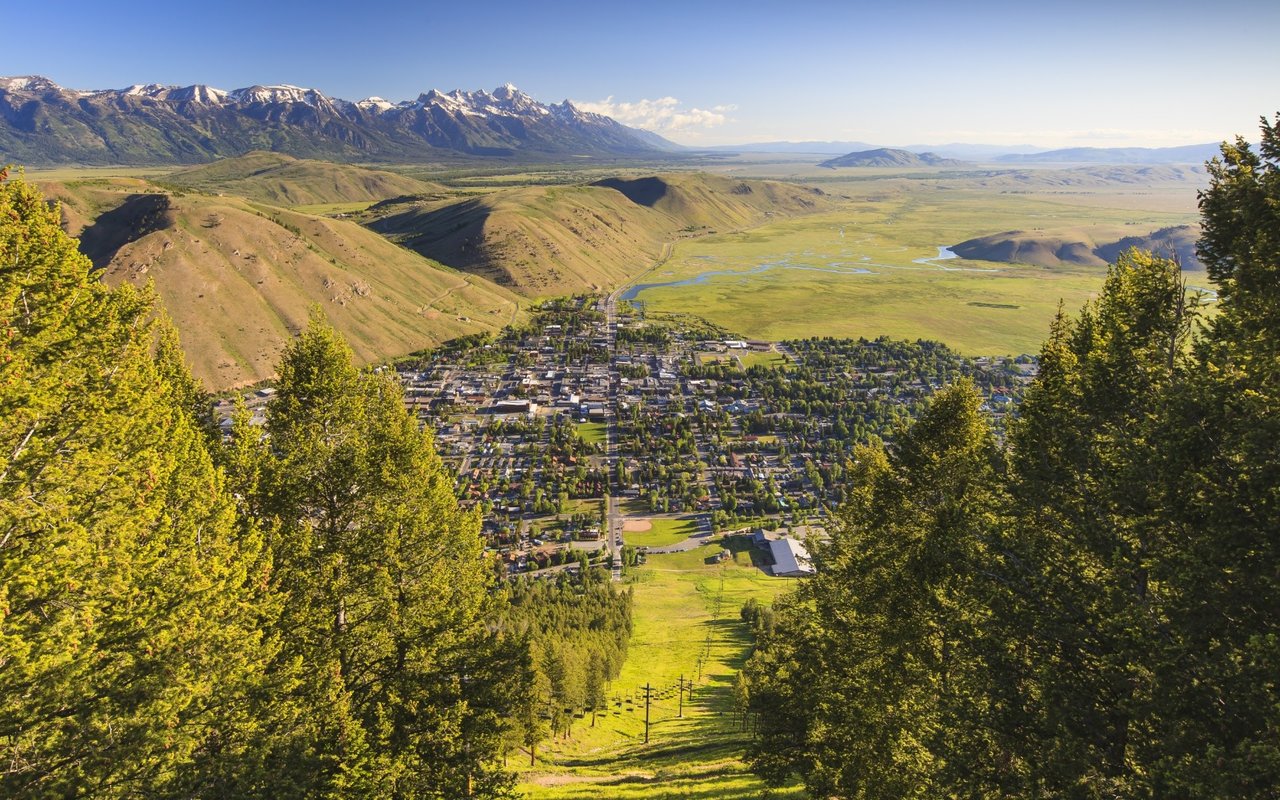
Jackson Hole isn’t just a location; it’s an experience shaped by its landscape and ever-changing light. The quality of light here, from crisp winter mornings to golden summer evenings, plays a major role in how paint colors appear.
North-facing rooms tend to receive cooler, bluer light, which can enhance blue or green paint but make warm colors look muted. South-facing spaces are often bathed in warmer sunlight, enriching yellows, reds, and earth tones.
The region’s scenery—towering pines, aspen groves, wide-open skies—also inspires many homeowners to choose nature-inspired hues. Earthy greens, warm taupes, and sky blues not only reflect the environment but help blur the boundaries between indoors and out.
When planning your paint palette, it’s crucial to consider the direction that your rooms face and how the landscape outside your window might influence your perception of color.
The Dynamics of Jackson Hole’s Light
- Natural light intensity and direction shift how colors look throughout the day.
- The mountainous surroundings inspire organic color palettes for interiors.
- South-facing rooms can handle richer, warmer tones, while north-facing rooms may benefit from lighter, brighter hues to offset cooler light.
Choosing a Palette
Selecting your home’s color palette is both an art and a science. Neutrals remain a popular choice for interiors, offering a timeless foundation that allows artwork and furnishings to stand out. Soft grays, creamy whites, and subtle taupes create a serene canvas and adapt easily as your tastes change.
For those who crave more vibrancy, bold hues can add personality and drama. Deep navy, forest green, or even a touch of charcoal can provide visual interest in spaces like dining rooms, powder rooms, or accent walls.
Earth-inspired palettes, directly drawn from Jackson Hole’s surroundings, remain a top choice. Sage greens, warm browns, and stone-inspired grays echo the great outdoors, fostering a sense of continuity and grounding.
Palette Selection Considerations
- Neutrals work well as a base and make it easy to update your décor.
- Bold colors create focal points and add character to specific rooms.
- Earth-inspired tones can make your home feel connected to the landscape.
- Combining different palettes helps define spaces and functions within your home.
- Sample a variety of shades to see what feels right in your environment.
FAQs
How Does Jackson Hole’s Climate Affect Paint Color Choices?
Jackson Hole’s bright, clear light and seasonal variations mean that paint colors may appear cooler or warmer at different times of year. Test paint samples in your home to see how they respond to both natural and artificial light.
Should I Use the Same Color Throughout My Home?
While a single color can create unity, using a variety of complementary shades adds interest and helps define different areas. Consider sticking to a palette with similar undertones for a seamless flow.
How Do I Choose the Right Paint Finish?
Use matte or eggshell finishes for low-traffic areas and to minimize wall imperfections. Satin and semi-gloss finishes are more durable and easier to clean, making them suitable for kitchens, bathrooms, and trim.
Why Do Paint Colors Look Different in My Home Than in the Store?
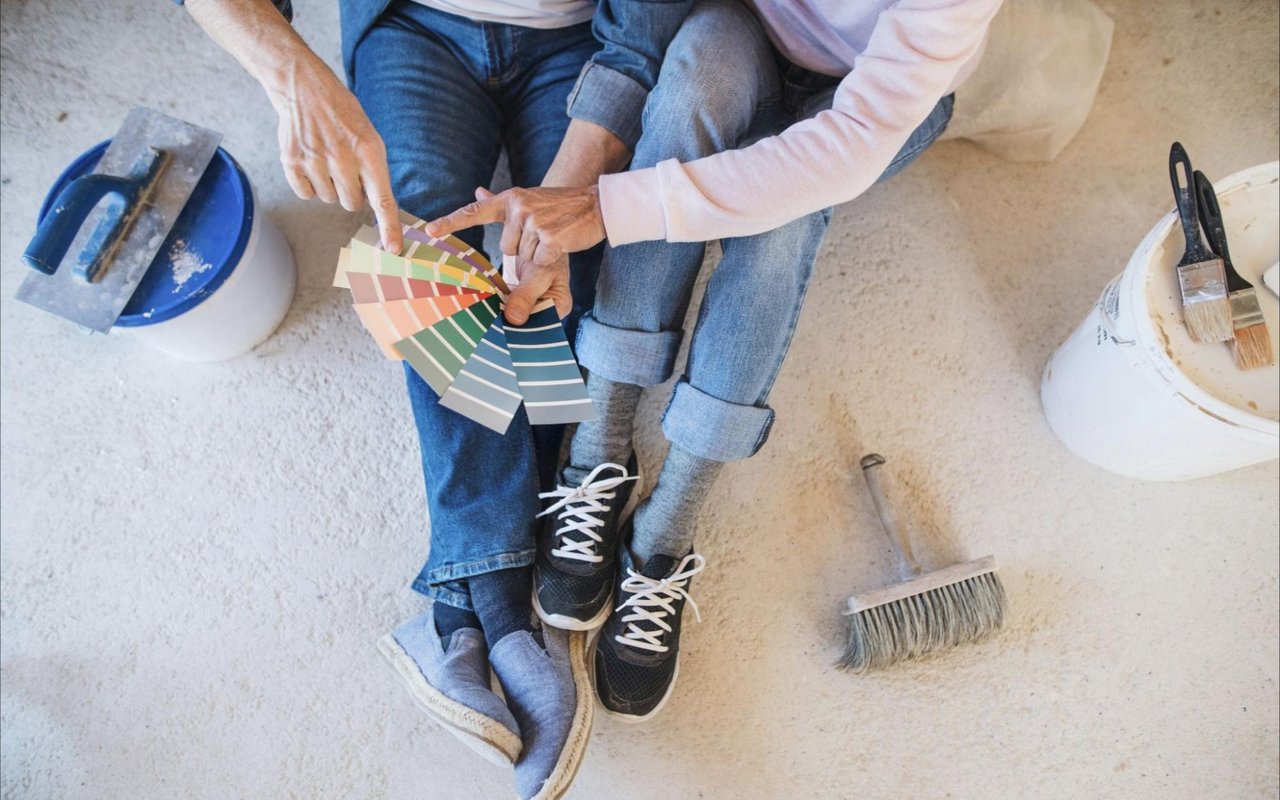
Factors such as lighting, undertones, and the colors of your furnishings can cause paint to look different once applied. Always test samples on your walls and observe them at different times of day.
Bring Your Vision to Life
Selecting paint tones for your Jackson Hole home is both a science and a creative journey. By understanding the principles of color theory, recognizing the effects of light and surroundings, and thoughtfully considering the unique character of each room, you can transform your space into a true reflection of your style.
Are you dreaming of owning a home in Jackson Hole or hoping to capitalize on the value of your current property?
I’m David Yoder, and I’m here to guide you through every step—whether you want to discover the area’s hidden gems, understand current market trends, or maximize your property’s potential.
Let’s have a one-on-one consultation tailored to your goals so that you can move forward with confidence.