By David Yoder
Purchasing a home in Jackson Hole is far more than just closing on a scenic property and collecting the keys. If you’re captivated by the panoramic mountain views, the vibrant creative scene, or legendary outdoor adventures, there are plenty of hidden details about this region that every buyer should understand before making a move.
This guide gives you a fresh perspective on questions you may not even realize you should be asking—so you’re prepared, confident, and ready to enjoy all Jackson Hole has to offer.
Key Takeaways
- Jackson Hole’s market operates differently, with unique challenges and opportunities to consider as you find a property.
- Local zoning, land use restrictions, and infrastructure details can impact your experience.
- Wildlife considerations and environmental factors shape how you’ll use and enjoy your property.
- The area’s amenities and utilities may differ from what you expect, especially in remote settings.
Understanding the Jackson Hole Real Estate Landscape
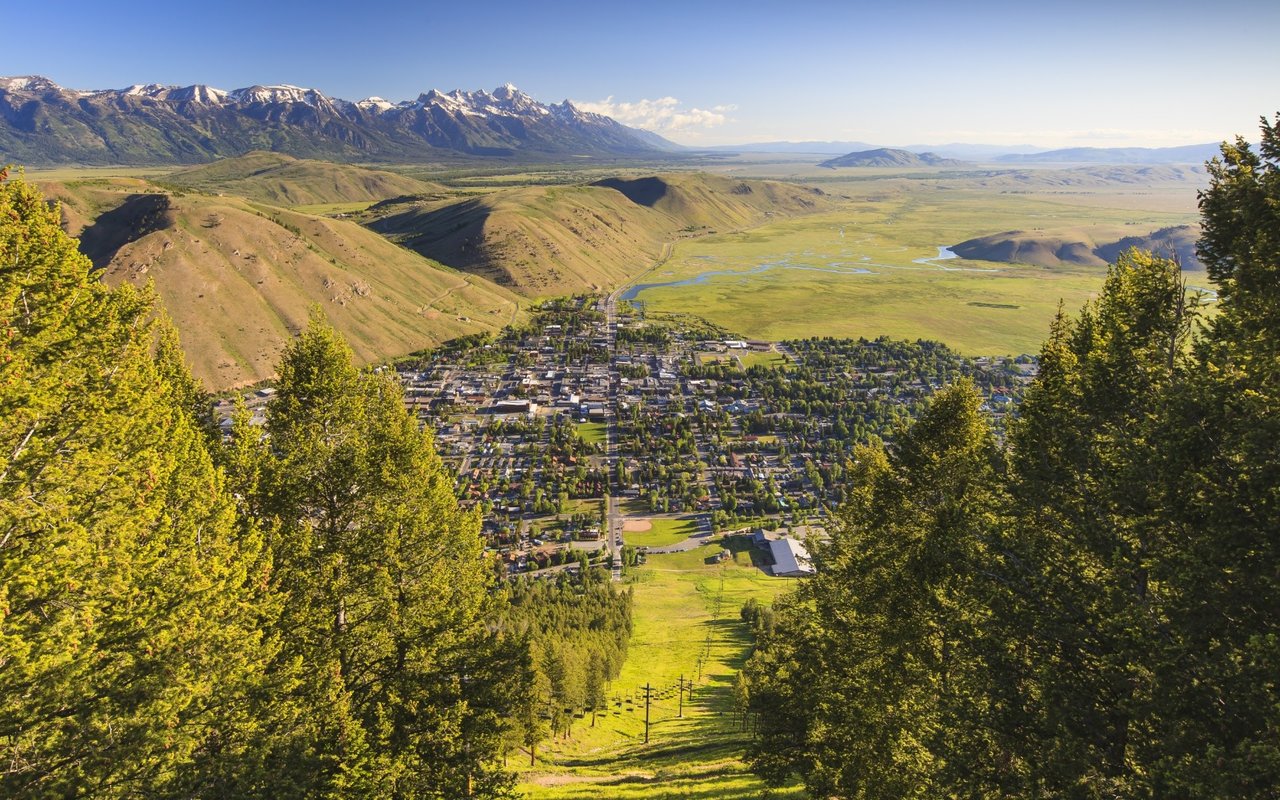
Entering the Jackson Hole housing market can feel like stepping into another world. Here, the intersection of striking natural wonders and purposeful land management creates an environment unlike anywhere else. Most of the land in and around Jackson Hole (and Teton County) is either publicly owned or under strict conservation, making available properties highly sought-after.
You’ll quickly notice that the close-knit, mountain-town vibe is intentional. Local rules and traditions are designed to preserve open space and limit development. As a result, the real estate market is highly competitive, especially during peak buying seasons, and it’s common for well-priced homes to attract multiple offers at once.
Patience, flexibility, and preparation will help you secure the right property when the opportunity comes along.
What to Know About the Local Market
- Inventory is usually limited due to conservation efforts and public land ownership.
- Home prices reflect the area’s prestige and limited inventory.
- Demand can spike during peak seasons, leading to fast-paced transactions.
- Local expertise is crucial for navigating unique market dynamics.
Understanding Utilities and Infrastructure
The allure of Jackson Hole’s wild landscapes sometimes comes with a trade-off: infrastructure and utility options that can differ significantly from what you find in urban settings. Some homes rely on private wells, septic systems, and propane instead of city water, sewer, or natural gas. Fast internet, while improving, is not always a given, especially for properties on the outskirts.
Before you commit to a property, it’s essential to investigate what utilities are already in place. Regular maintenance of septic systems, managing well water, and arranging for propane deliveries all become part of daily life.
If the property is in a remote location, consider how road access is handled, particularly during the winter when snow removal becomes a necessity. Knowing such logistics in advance ensures that your dream home fits your lifestyle and that you won’t face unexpected costs or headaches after you move in.
Infrastructure and Utility Questions to Consider
- Is the property served by municipal water and sewer, or does it use a well and septic system?
- What options exist for reliable, high-speed internet?
- How is the home heated: natural gas, propane, or electric?
- Are there fees or requirements for road maintenance or snow removal?
- Will you need to invest in backup power or renewable energy sources?
Wildlife and Environmental Considerations
Jackson Hole’s natural wonders are a stunning daily backdrop, but living in harmony with the region’s wildlife takes thoughtful planning. It’s common for elk, moose, foxes, and even bears to roam the area. Local ordinances require specific waste disposal methods, such as bear-resistant trash containers, to reduce the risk of wildlife encounters.
Many homeowners choose native plants and eco-friendly landscaping, both to support local ecosystems and to prevent unwanted visits from curious animals. In addition, wildfire prevention is a concern in certain areas, prompting requirements for defensible space, fire-resistant materials, and careful planning of outdoor areas.
Understanding these environmental nuances means that you’ll not only protect your investment but also contribute to preserving the very things that make Jackson Hole remarkable.
Key Wildlife and Environmental Points
- Bear-proof containers and proper waste management are crucial.
- Choosing native landscaping supports local ecosystems and minimizes animal attraction.
- Some areas require wildfire prevention strategies, such as defensible space.
- Wildlife corridors or easements may limit fencing and building placement.
- Awareness of these issues allows for respectful and responsible homeownership.
Seasonal Living and Lifestyle Factors
Jackson Hole’s dramatic seasons shape both the lifestyle and the rhythm of the real estate market. Winters are renowned for deep powder and legendary skiing, but they can also bring heavy snowfall, icy roads, and the need for diligent property maintenance. Spring and summer open up a paradise for hiking, biking, fishing, and festivals, and yet rural roads may become muddy or impassable as snow melts.
Living in this region means embracing the ebb and flow of the seasons, adapting to weather-driven changes, and preparing for the quieter pace that comes during the “shoulder” months when tourist numbers dip. Before purchasing a home in Jackson Hole, consider whether the property supports your preferred lifestyle and if you’re ready for the realities of mountain living.
Seasonal Factors and Lifestyle Questions
- Can you access the property during heavy winter snows, or will you need specialized vehicles?
- What equipment or services are required for snow removal?
- How does the home’s design accommodate temperature swings and winter conditions?
- Does the property fit your interests during every season, from skiing to fly fishing?
FAQs
What Should I Know About Property Access in Winter?
Some properties may be challenging to reach during snowy months. Check whether the roads are maintained year-round and whether a four-wheel-drive vehicle is recommended. Private snow removal contracts are common and may be required.
Are There Special Considerations for Septic and Well Systems?
Yes. Many Jackson Hole homes use wells for water and septic systems for waste. Both should be thoroughly inspected before you buy. You’ll also want to understand the maintenance schedule and requirements for each.
What Is a Conservation Easement, and How Does It Affect My Property?
A conservation easement is a restriction that limits certain types of development or land use to preserve natural resources. If your property is affected, you’ll have guidelines regarding what can be built or altered.
Take the Leap Toward Jackson Hole Living
Owning a home in Jackson Hole is an invitation to experience mountain living at its best. The adventure begins with understanding what sets Jackson Hole apart—and the rewards are as grand as the mountains themselves.
Ready to make your Jackson Hole dreams a reality? Team up with me, David Yoder, and let’s explore everything that this incredible area has to offer.
Reach out today for a consultation, and let’s start your journey!