By David Yoder
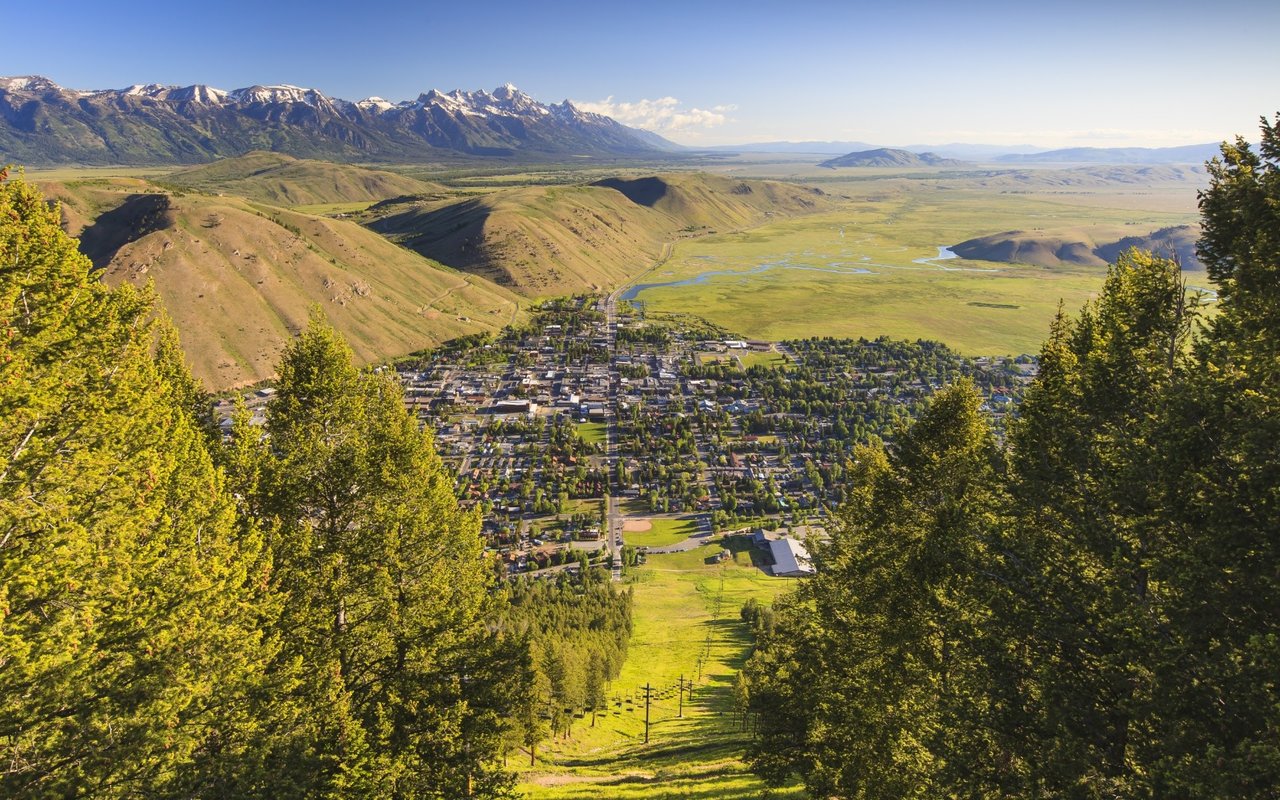
Jackson Hole has a way of pulling people in. The sweeping Grand Teton views, the outdoor excursions, and the close-knit community that forms when everyone around you shares a love for the land — it's the kind of place that attracts residents and holds onto them. If you're planning a move here and your household includes a dog, a cat, or another four-legged member, you're in good company.
That said, relocating with pets requires a different kind of planning than relocating alone. The altitude, the wildlife, the seasonal extremes, and the sheer scale of the landscape introduce considerations that don't come up in most moving guides. Whether you're driving across the country with two dogs in the backseat or coordinating a long-distance move with a nervous cat, the tips below will help you arrive prepared.
Understanding what Jackson Hole is actually like for pets before you get there makes the transition smoother for everyone. This guide covers the practical, the logistical, and the local — everything you need to set your pets up for a great start in one of Wyoming's most remarkable places.
Key Takeaways
- Jackson Hole's high elevation and dramatic seasonal weather require specific preparation for relocating pets.
- Wildlife encounters are a real part of daily life here, and pets need to be trained and managed with that in mind.
- The area offers extensive pet-friendly trails, open spaces, and community infrastructure, making it an exceptional place for animals.
Prepare Your Pet for the Journey
The drive to Jackson Hole can be long depending on where you're coming from, and for many pets, the travel itself is the most stressful part of the entire relocation. A dog who has never spent more than an hour in a car, or a cat who only sees a carrier when it's time for the vet, is going to need some preparation before you hit the road. Starting that process weeks before your move date gives you time to build positive associations and work out any issues before you're on a deadline.
The most important investment you can make for car travel is proper containment. An unrestrained dog in a moving vehicle is a safety risk for both the animal and the people in the car. A crash-tested harness that attaches to a seatbelt, or a secured travel crate rated for your pet's size and weight, keeps your animal safe if you need to brake hard or if an accident occurs. For cats, a hard-sided carrier secured with a seatbelt is the standard; soft-sided options are fine for short trips but can collapse in an impact. Make sure whatever you choose is properly sized so your pet can stand, turn around, and lie down comfortably.
If your pet isn't already comfortable with their crate or carrier, start acclimating them to it early. Leave it open in a room they spend time in, put familiar bedding inside, and let them explore it on their own terms. For dogs, short practice drives leading up to the move help normalize the experience.
For anxious animals, talk to your vet about whether a calming supplement or short-term medication makes sense for the travel days. This is a common and well-supported option, and it can make a meaningful difference for pets who find car travel distressing.
The most important investment you can make for car travel is proper containment. An unrestrained dog in a moving vehicle is a safety risk for both the animal and the people in the car. A crash-tested harness that attaches to a seatbelt, or a secured travel crate rated for your pet's size and weight, keeps your animal safe if you need to brake hard or if an accident occurs. For cats, a hard-sided carrier secured with a seatbelt is the standard; soft-sided options are fine for short trips but can collapse in an impact. Make sure whatever you choose is properly sized so your pet can stand, turn around, and lie down comfortably.
If your pet isn't already comfortable with their crate or carrier, start acclimating them to it early. Leave it open in a room they spend time in, put familiar bedding inside, and let them explore it on their own terms. For dogs, short practice drives leading up to the move help normalize the experience.
For anxious animals, talk to your vet about whether a calming supplement or short-term medication makes sense for the travel days. This is a common and well-supported option, and it can make a meaningful difference for pets who find car travel distressing.
What To Have On Hand for the Drive
- A crash-tested travel harness or secured hard-sided crate appropriate for your pet's size.
- A spill-proof water bowl and enough fresh water for the full drive, with planned stops every two to three hours.
- Your pet's regular food portioned for each day of travel; avoid switching foods during the move, as digestive upset is common under stress.
- Familiar bedding, a worn t-shirt with your scent, or a favorite toy to place in the crate or carrier for comfort.
Get Ready for the Elevation and Climate Before You Arrive
For most pets, especially those coming from low-elevation areas, the altitude is something to take seriously during the first few weeks. Dogs, in particular, may tire more quickly on walks, show lower appetite levels, or seem more lethargic than usual. This is normal as they acclimate, but it's worth monitoring closely and checking in with a vet if symptoms persist.
The temperature range in Jackson Hole is wide. Winters bring extended periods of deep cold, with lows that can dip well below zero and snow that can accumulate for months. Summers are warm and bright but short. Spring and fall move quickly. For pets, this means having the right gear ready from day one. Short-haired dogs will need insulated coats for winter walks, and outdoor cats will need warm, protected spaces if they spend any time outside during the colder months.
Don't underestimate how quickly conditions can change here, especially at elevation. A morning hike that starts mild can turn cold and windy within hours. Building weatherproofing into your pet's routine early, rather than scrambling when the first big storm hits, saves a lot of stress.
The temperature range in Jackson Hole is wide. Winters bring extended periods of deep cold, with lows that can dip well below zero and snow that can accumulate for months. Summers are warm and bright but short. Spring and fall move quickly. For pets, this means having the right gear ready from day one. Short-haired dogs will need insulated coats for winter walks, and outdoor cats will need warm, protected spaces if they spend any time outside during the colder months.
Don't underestimate how quickly conditions can change here, especially at elevation. A morning hike that starts mild can turn cold and windy within hours. Building weatherproofing into your pet's routine early, rather than scrambling when the first big storm hits, saves a lot of stress.
What To Have Ready Before Your First Winter
- Dog booties or paw wax to protect against frozen ground, ice melt, and packed snow.
- An insulated dog coat rated for sub-zero temperatures if your dog has a short or thin coat.
- A crate or heated shelter spot for outdoor or semi-outdoor animals.
- A pet first aid kit that includes items specific to cold weather, such as a thermometer and an emergency blanket.
- A full veterinary checkup before the move to confirm your pet's baseline health.
Understand the Wildlife Situation
This is the most important factor to understand before moving to Jackson Hole with pets: moose, elk, black bears, wolves, coyotes, and eagles are part of the everyday landscape. Encounters happen in neighborhoods, on walking paths, in driveways, and in backyards. For pets, this changes the dynamics of outdoor life significantly.
Dogs who are used to off-leash freedom in other parts of the country will need more supervision here than they may be accustomed to. A dog that charges at a moose is in danger; moose are large, fast, and unpredictable when threatened. Coyotes are common throughout the valley and are known to approach or follow small dogs and cats. Even hawks and eagles have been known to take an interest in very small pets.
This means developing proper outdoor habits early. Keeping dogs leashed in undesignated areas, scanning your surroundings before heading out, and teaching reliable recall commands are skills that matter here.
Dogs who are used to off-leash freedom in other parts of the country will need more supervision here than they may be accustomed to. A dog that charges at a moose is in danger; moose are large, fast, and unpredictable when threatened. Coyotes are common throughout the valley and are known to approach or follow small dogs and cats. Even hawks and eagles have been known to take an interest in very small pets.
This means developing proper outdoor habits early. Keeping dogs leashed in undesignated areas, scanning your surroundings before heading out, and teaching reliable recall commands are skills that matter here.
Key Habits for Wildlife Safety
- Leash your dog in areas where off-leash is not permitted, including most trails.
- Avoid leaving cats unsupervised outdoors, particularly at dawn, dusk, and overnight when predator activity increases.
- Keep food, including pet food, properly stored outdoors to avoid attracting bears or other wildlife to your property.
- Talk to your neighbors and local residents about specific wildlife patterns in your immediate area; local knowledge here is invaluable.
FAQs
Is Jackson Hole a Good Place to Live With Pets?
Jackson Hole is an excellent place to live with pets, particularly dogs. The outdoor setting, open space, and community attitude toward animals create an environment where pets thrive. It does require more active management than lower-density suburban areas, primarily because of the wildlife and climate, but most pet owners find the lifestyle here deeply rewarding for both themselves and their animals.
How Should I Prepare My Pet for the Drive to Jackson Hole?
For long cross-country moves, build in breaks every two to three hours to let your pet stretch and rehydrate. Keep food and water routines as close to normal as possible during travel. For anxious animals, speak to your vet before the move about whether short-term calming support is appropriate. Arriving with your pet's familiar bedding, toys, and comfort items intact can help them settle more quickly once you're in your new home.
What Wildlife Should I Be Most Concerned About for My Pets?
Moose, coyotes, and birds of prey are the most common wildlife concerns for domestic pets in the Jackson Hole area. Moose are dangerous when startled or with calves present. Coyotes are active throughout the valley, particularly at night. Small dogs and cats are occasionally targeted by large raptors. Maintaining leash discipline, supervising outdoor time, and educating yourself on local wildlife behavior are the most effective protections.
Your Next Chapter Starts With the Right Preparation
Moving to Jackson Hole is a life-changing decision, and the fact that you're thinking ahead about your pets says a lot about how seriously you're approaching it. The landscape here is stunning, the community is welcoming, and the outdoor life available to you and your animals is hard to replicate anywhere else in the country.
The keys to a smooth transition are preparation and local knowledge. Knowing the wildlife realities, the weather demands, and the veterinary landscape before you arrive means fewer surprises and a faster path to feeling at home. Your pets will likely fall in love with Jackson Hole just as quickly as you do.
When you're ready to start the real estate side of the move, I'm here to help you find a property that works for your whole household. From pet-friendly settings to homes with the outdoor space your animals need, I know this market, and I'm ready to put that knowledge to work for you. Reach out to me, David Yoder, to begin.
The keys to a smooth transition are preparation and local knowledge. Knowing the wildlife realities, the weather demands, and the veterinary landscape before you arrive means fewer surprises and a faster path to feeling at home. Your pets will likely fall in love with Jackson Hole just as quickly as you do.
When you're ready to start the real estate side of the move, I'm here to help you find a property that works for your whole household. From pet-friendly settings to homes with the outdoor space your animals need, I know this market, and I'm ready to put that knowledge to work for you. Reach out to me, David Yoder, to begin.